For most of the last decade, GPS machine control was something only the largest infrastructure firms could justify. The hardware was expensive, the software was unfamiliar, and plenty of contractors still trusted a good operator with a laser level over a screen in the cab. That era is over. By 2026, GPS machine control is standard practice on competitive job sites, from suburban housing developments to major highway corridors, not just marquee infrastructure projects.
For anyone working in earthworks, foundations, civil, or wider siteworks delivery, that shift is worth paying attention to, because it's changing what "competitive" actually means on a bid.
From specialty tool to baseline expectation
The scale of the shift shows up clearly in how contractors are now talking about the technology. At recent industry trade shows, exhibitors noted a real change in tone: visitors already knew what GPS machine control was and what it did, their main question had shifted to when and where they could start using it themselves. That's a different conversation than a few years ago, when smaller contractors were still asking basic questions about what the technology even was.
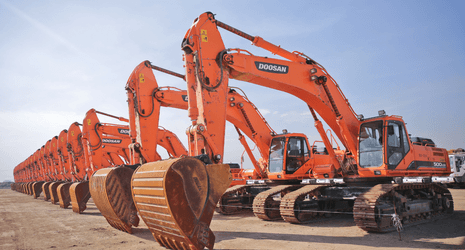
Three technologies are leading that shift: GPS or GNSS positioning, grade control, and machine control automation, consistently rank as the most adopted tools among contractors surveyed on 2026 equipment trends. GPS grading in particular has become one of the defining construction equipment trends of the year, moving from an add-on option to something increasingly built into new excavator and dozer specifications by default.
Why it's happening now
The adoption curve isn't just about the technology maturing, it's being pulled forward by cost pressure. Contractors are being challenged to deliver projects on tighter timelines and lower budgets, while managing rising costs and a limited pool of skilled labor at the same time. In that environment, rework has become something few firms can absorb. With diesel and labor costs where they are in 2026, digging a hole twice simply isn't affordable the way it might have been tolerated a decade ago, and 3D grade control systems exist specifically to make sure the cut or fill is right the first time.
That single point, avoiding rework, is doing more to drive adoption than any argument about long-term productivity gains. A grading error caught after the fact costs far more in remobilized equipment, operator hours, and schedule slippage than the technology that would have prevented it.
What this means for how sites actually run
The practical effect on a job site is a shift in where value gets created. Traditional grading relied heavily on stakes, string lines, and an experienced operator's feel for the machine. GPS-guided systems put a 3D design model directly in the cab, letting the machine (and increasingly, the operator working alongside automated grade control) hit design tolerances without the constant re-staking that used to eat into schedule.
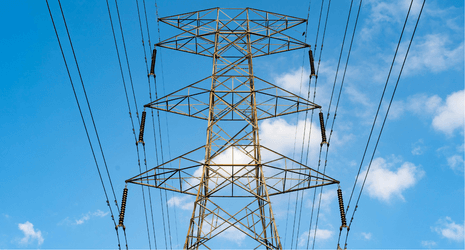
That changes the skills that matter on a modern earthworks crew. Reading a 3D model and understanding how design data flows from the engineering office to the machine is becoming as relevant as traditional grading judgment. Crews and supervisors who are comfortable with both are increasingly the ones winning the more technically demanding packages, particularly on projects tied to substations, transmission corridors, and other infrastructure work where tolerances are tighter than typical residential grading.
Where it fits into the bigger civil and infrastructure picture
This technology shift is landing at the same time as a genuine boom in civil and infrastructure investment. Total capital investment forecast across key infrastructure sectors between 2025 and 2030 is running at 2.1 to 2.7 times the volume seen over the previous five years, with some sectors like renewable energy, nuclear, and water seeing up to 4x the investment of the prior five-year period. That volume of work means firms need to deliver more, faster, with tighter tolerances, exactly the conditions that make GPS machine control worth the investment rather than a nice-to-have.
For contractors bidding on the current wave of substation, transmission corridor, and wider infrastructure siteworks, the ability to demonstrate GPS-guided grading capability is increasingly a genuine differentiator in tender evaluations, not just an efficiency claim buried in a method statement.
The bottom line
GPS machine control's move from specialty tool to baseline expectation is one of the more consequential shifts happening in earthworks and siteworks right now, not because the technology itself is new, but because 2026 is the year it stopped being optional for firms competing on infrastructure-scale projects. Contractors and crews who've built genuine capability with it, not just owned the hardware, are increasingly the ones winning the more demanding civil and siteworks packages coming through the current infrastructure pipeline.
If you're building out teams across earthworks, civil, foundations, or wider siteworks delivery, get in touch with InfraRec or browse our current open roles. You can also learn more about how we support clients across infrastructure and construction on our about us page.